Modernizing Planstin's Benefits Administration Platform for Secure, Scalable Growth
Intellias helped Planstin streamline enrollment, modernize a legacy platform, and build reliable payment orchestration on a cloud-native foundation
Project snapshot
Planstin needed to scale a growing benefits administration business without the operational drag of fragmented systems, brittle integrations, and legacy cloud architecture. Intellias reworked the platform across three connected workstreams: optimizing enrollment for employers and employees, rebuilding the underlying architecture on AWS, and implementing a dedicated payment integration layer for contributions and payouts. The result was a more maintainable, secure, and scalable platform foundation that better supports employee onboarding, annual renewals, member administration, and financial operations.
About Planstin
Planstin is a U.S.-based third-party administrator focused on alternative employee benefit solutions for small and midsize businesses. Its operating model spans employer onboarding, plan configuration, employee enrollment, member administration, and benefit-related financial workflows. As demand grew, the business needed a stronger technology backbone to support higher transaction volumes, more complex workflows, and faster product evolution.
Business challenge
The modernization program addressed three intertwined business and technology problems:

Fragmented operations
Intellias responded with an end-to-end transformation that combined workflow redesign, cloud-native architecture, stronger identity and access controls, and more reliable integration patterns across enrollment, payments, and operations.

Complex financial workflows
Enrollment, payments, and member management were spread across separate tools, creating duplicated effort, inconsistent data, and limited end-to-end visibility.

Legacy architecture risk
Tightly coupled services, limited access control, and immature DevOps practices slowed change, increased security exposure, and made the platform harder to maintain.
Intellias responded with an end-to-end transformation that combined workflow redesign, cloud-native architecture, stronger identity and access controls, and more reliable integration patterns across enrollment, payments, and operations.
Enrollment process optimization
Intellias redesigned the enrollment journey so Planstin could launch employer groups more efficiently, support employee plan selection with less manual overhead, and manage annual renewal cycles on a more structured operational foundation. The work combined user-facing improvements with back-office automation for high-volume plan administration.
What Intellias delivered

Structured employer onboarding and plan configuration flows for group registration, contribution setup, document generation, and launch preparation.

Employee enrollment capabilities that allow participants to review available plans, select eligible options, and manage enrollment details through a unified web experience.

Administrative dashboards for monitoring enrollment status, updating employee information, and managing plan changes.

Plan renewal workflows to support annual configuration updates and controlled transitions between plan periods.

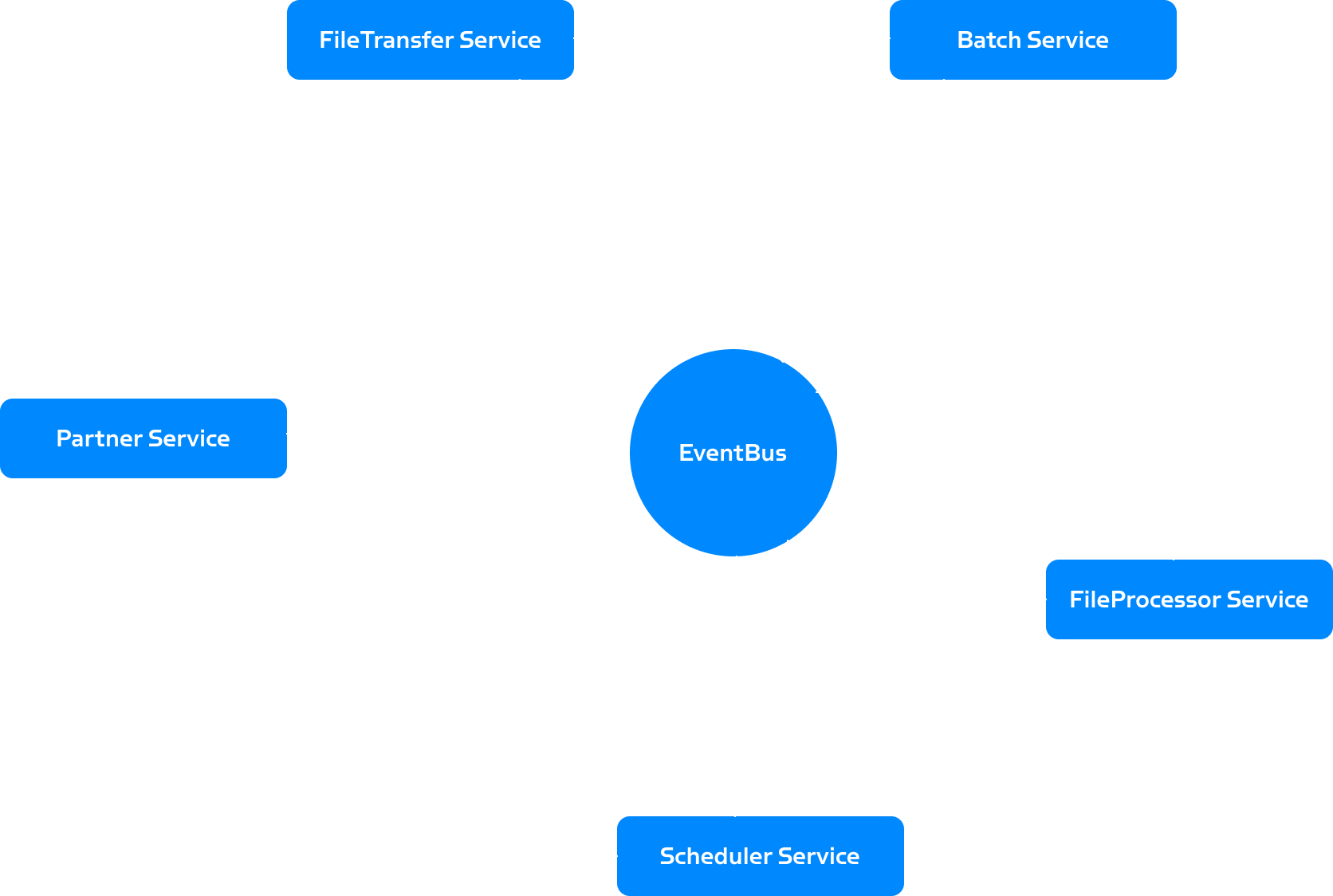
A complementary batch processing capability for bulk plan and enrollment intake, including validation and downstream synchronization for large-scale onboarding.
Technologies used
React-based web applications for employer, administrator, and employee-facing experiences.
A dedicated backend processing service running on Amazon EC2 for continuous file processing and operational control.
CSV-based bulk intake patterns for large-volume plan and enrollment uploads.
Role-based access controls for admin-only pages, file management, and configuration settings.
Automated schedulers and integration jobs to keep operational systems, CRM data, and analytics stores synchronized.
Engineering and delivery best practices
Designing enrollment as a repeatable workflow rather than a one-off manual exercise, with clear stages for onboarding, elections, and renewals.
Layered validation to catch structural issues, eligibility mismatches, relationship errors, and plan-rule violations before data is persisted.
Automation-first batch processing so large employer launches do not depend on manual line-by-line entry.
Exception-oriented operations, giving administrators visibility into processing status, file control, and remediation paths.
Cross-system synchronization to reduce data drift between enrollment, operational, and reporting environments.
Key deliverables
Business outcomes

Faster and more structured employer onboarding.

Reduced manual effort for HR and operations teams during enrollment and renewal cycles.

Cleaner data entering downstream systems, helping reduce operational rework.

Improved visibility into enrollment status and exception handling.

A stronger foundation for scaling group onboarding and annual benefits administration.
Architecture transformation and integration
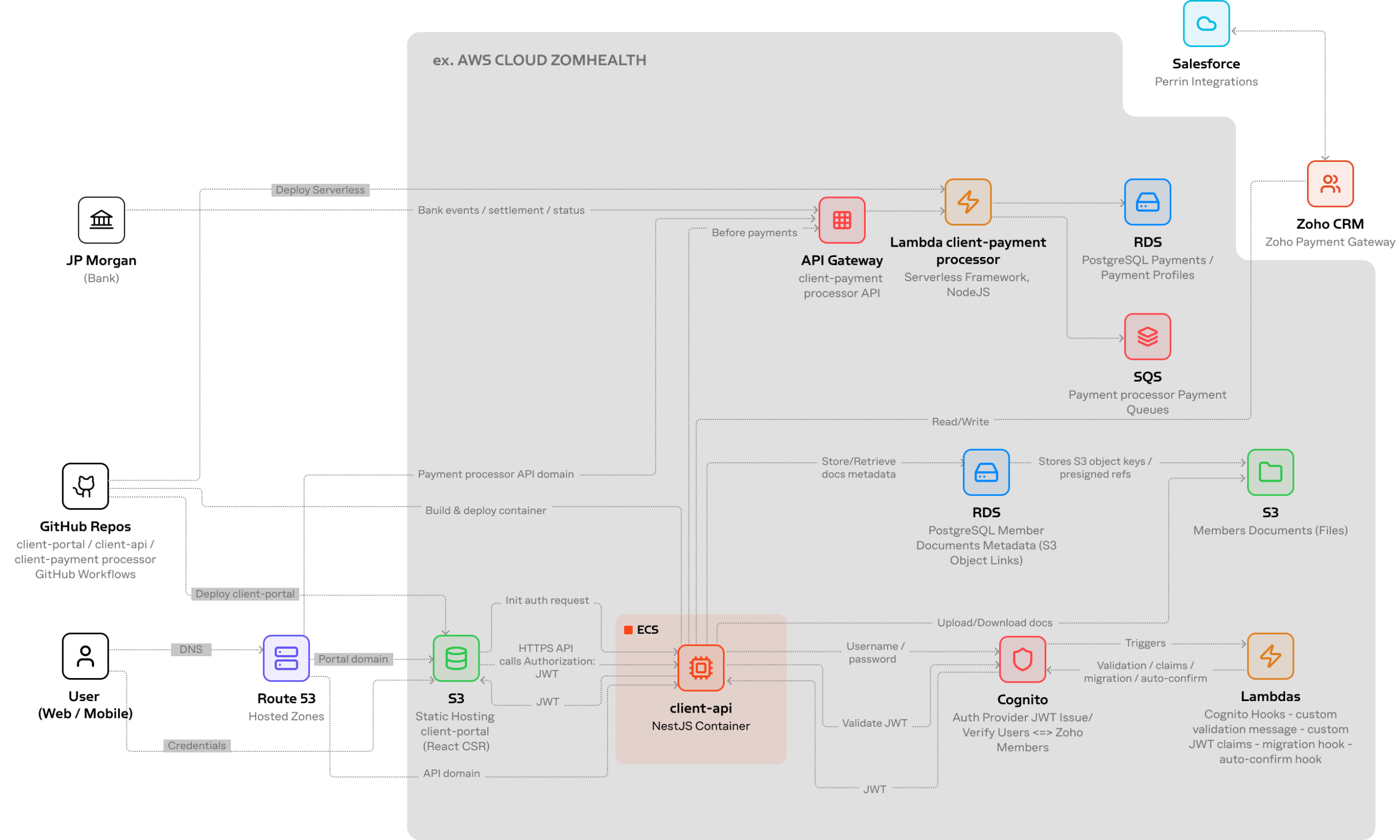
To remove bottlenecks caused by a legacy, tightly coupled platform, Intellias reworked the technical foundation and migrated core workloads to AWS. Modernization focused on decoupling frontend and backend concerns, strengthening security, improving maintainability, and establishing more reliable delivery and integration practices.
What Intellias delivered

Refactoring of major parts of the existing codebase to simplify architectural structure and reduce technical complexity.

Migration from a fragmented GCP function-based setup to a more consistent AWS-based target architecture.

Replacement of the legacy backend with a cleaner backend implementation built on NestJS.

Decoupling of frontend and backend layers to improve maintainability, scalability, and team productivity.

Introduction of centralized identity and access management, secure API routing, and environment-based delivery practices.
Technologies used
Frontend
React
Backend
NestJS, AWS ECS, AWS Lambda, and API Gateway
Messaging and async processing
AWS SQS
Data layer
Amazon RDS for PostgreSQL, DynamoDB, and Amazon S3.
Delivery and edge
CloudFront, Route 53, GitHub-based delivery workflows, and environment-specific configuration management
Identity and access
AWS Cognito and standards-based token authentication, plus centralized single sign-on and role-based access controls.
Engineering and delivery best practices
Cloud-native service separation so business capabilities can evolve independently and scale more predictably.
Migration to managed AWS services where appropriate to reduce undifferentiated operational effort and improve reliability.
Environment isolation across development, staging, and production to support safer releases and stronger operational governance.
Least-privilege access control, centralized authentication, and token-based security aligned with enterprise-grade compliance expectations.
Automated CI/CD pipelines and structured deployment workflows to reduce manual release steps and increase delivery confidence.
Key deliverables
Business outcomes
A more scalable and resilient cloud foundation.
Faster feature delivery due to cleaner architecture and more predictable deployment workflows.
Improved security posture and better compliance readiness.

Reduced maintenance burden and lower architectural complexity.

A future-ready platform foundation for continued product growth and partner integration.
Payment processing integration
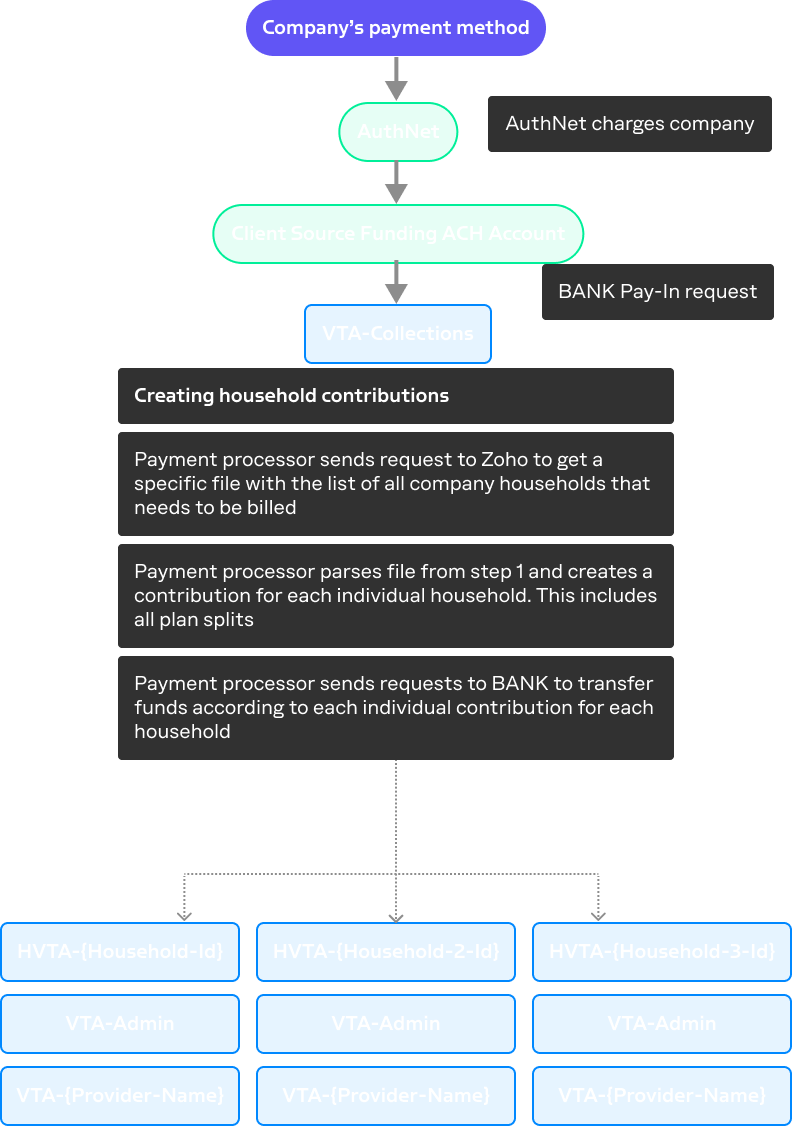
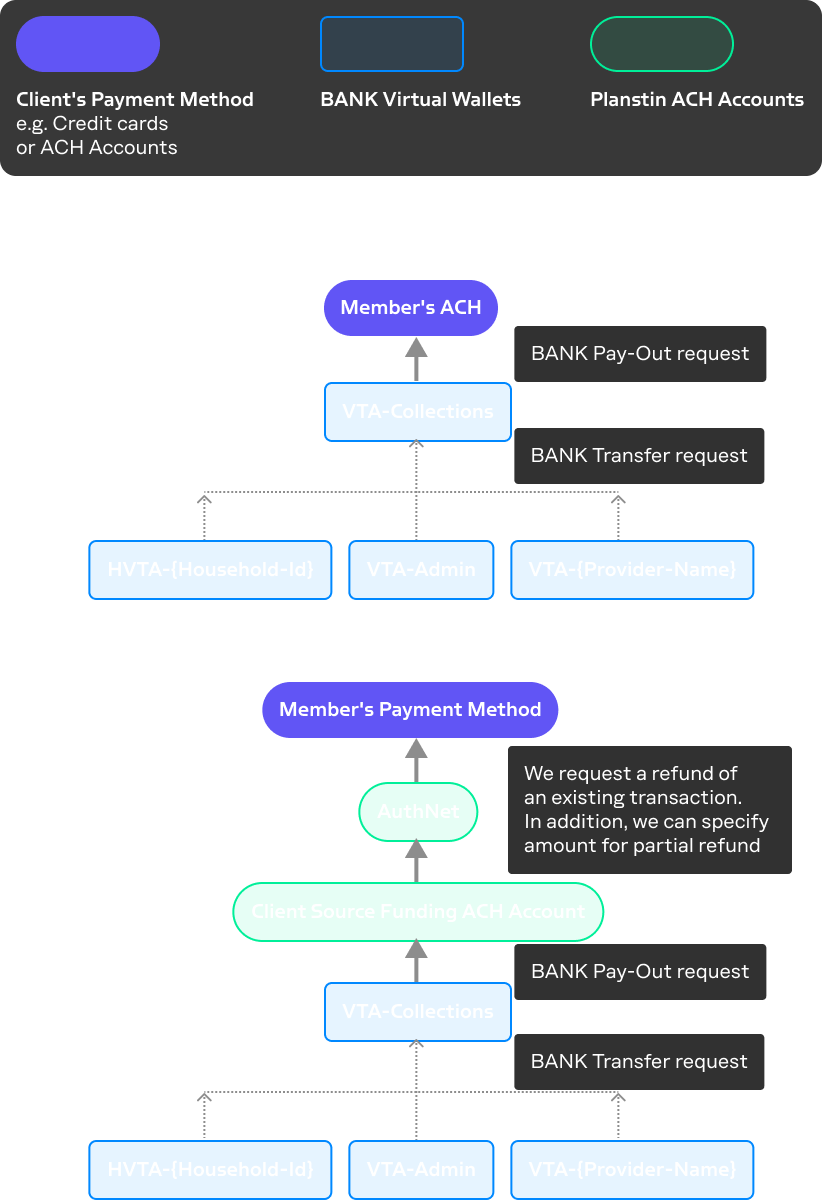
Benefits administration platforms need more than basic payment connectivity – they need a reliable orchestration layer that can manage recurring contributions, one-time transactions, and payout flows while keeping financial records aligned across systems. Intellias introduced that capability for Planstin through a dedicated payment integration workstream.
What Intellias delivered

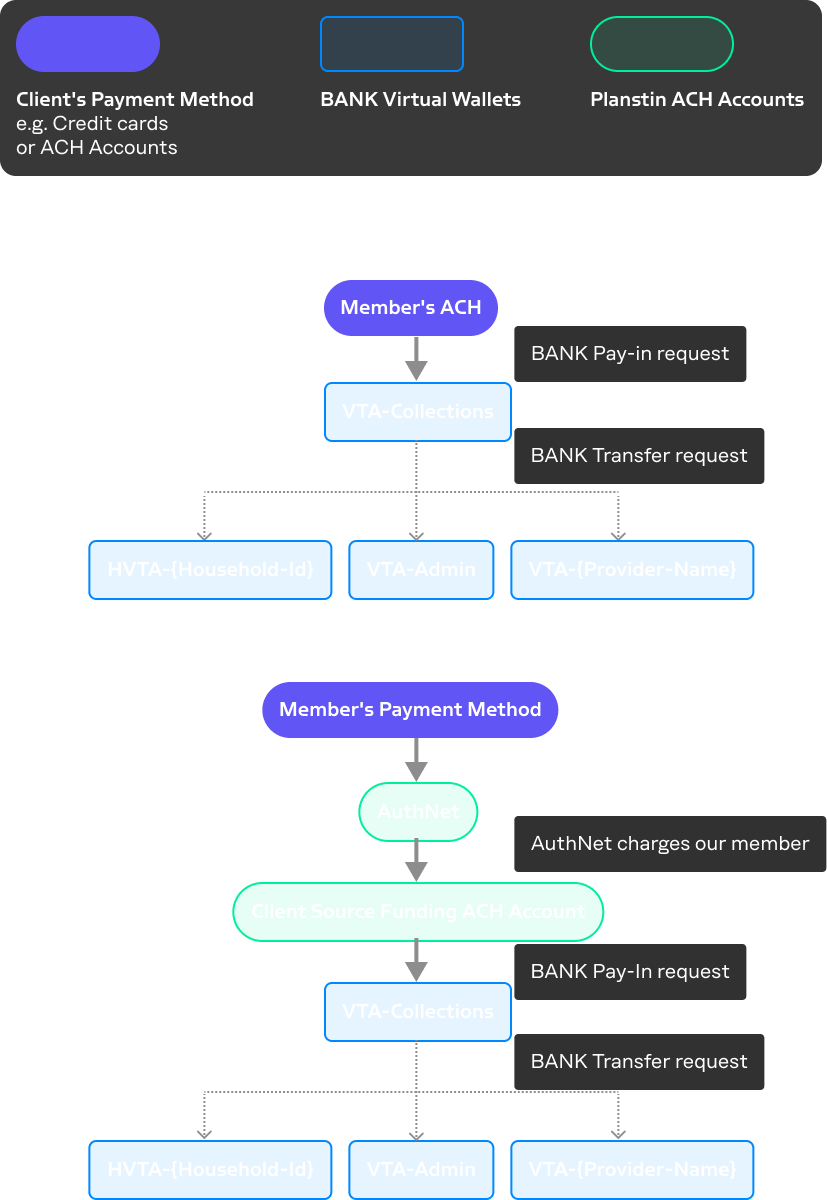
A dedicated payment orchestration layer to centralize contribution, fund aggregation, one-time payment, and payout workflows.

Secure integrations with external financial providers through a standardized interface rather than one-off point-to-point logic.

Redesign of payment-related services into an event-driven, serverless architecture on AWS for improved throughput and resilience.
Background synchronization processes to keep financial events aligned with internal systems, CRM data, and operational tools.

Refactoring and deployment improvements to make transaction-processing services easier to maintain and evolve.
Technologies used
AWS Lambda for serverless payment-related services.
AWS SQS for asynchronous processing and reliable workflow decoupling.
API-based integrations with external wallet and card-processing partners.
A centralized data layer spanning transactional records, metadata, and supporting operational data stores.
Automated deployment pipelines and cloud-native AWS infrastructure components supporting secure transaction processing.
Engineering and delivery best practices
Separating payment orchestration from channel-specific application logic so financial workflows remain consistent across the platform.
Using event-driven and asynchronous processing patterns to improve reliability under higher transaction volumes.
Designing for traceability and synchronization so transaction states and business workflows stay aligned across systems.
Applying secure integration patterns for external financial providers, including standardized interfaces and controlled access.
Improving maintainability through service refactoring, operational automation, and cleaner deployment workflows.
Key deliverables
Business outcomes
More reliable contribution and payout processing.
Better scalability for growing member and transaction volumes.
Lower operational risk through more structured, traceable payment workflows.
A more maintainable financial integration layer that can support future partner connections and product evolution.
A stronger platform foundation for benefits-related money movement without overloading core application services.
Cross-platform engineering excellence
Beyond the three major workstreams, the engagement also improved the platform’s engineering maturity in ways that are essential for a modern benefits business. These practices were not always fully detailed in the source materials, but they are strongly implied by the documented architecture and delivery scope and represent standard expectations for secure, scalable product engineering.
Environment isolation across development, staging, and production to reduce deployment risk and improve release governance.
Centralized identity and access management with role-based access control, token-based authentication, and single sign-on patterns aligned to enterprise security standards.
Automated build and deployment workflows to improve release reliability, reduce manual steps, and support more frequent product changes.
Structured data synchronization and ETL processes to keep operational systems, CRM data, and analytical stores aligned.
Cloud storage and archival patterns that balance accessibility, security, and long-term cost control.
A delivery model focused on maintainability: clearer service boundaries, reusable components, documented operational workflows, and reduced technical debt.
Overall business impact
By improving business workflows and the technology foundation in parallel, Intellias helped Planstin move from a fragmented operating model to a more scalable, secure, and future-ready benefits administration platform.

A more coherent operating platform across onboarding, enrollment, member administration, and financial workflows.

A cloud-native architecture on AWS that is better suited for growth, resilience, and ongoing change.
Reduced technical debt through backend refactoring, clearer separation of concerns, and more maintainable service design.
Stronger security and compliance readiness through centralized authentication, role-based access, and cleaner operational controls.
More reliable payment-related workflows supported by dedicated orchestration, asynchronous processing, and synchronized financial data.

Improved delivery efficiency through structured CI/CD, environment management, and better foundations for future feature development.
Clear outcomes
Intellias partnered with Planstin to modernize a growing benefits administration platform across three critical areas: enrollment, architecture, and payments. We streamlined employer onboarding and employee enrollment, rebuilt a legacy cloud environment into a modern AWS-based architecture, and introduced a dedicated payment integration layer to support contribution and payout workflows. The result is a more secure, scalable, and maintainable platform ready to support long-term growth.